

Arachnid · Arboreal tarantula
Antilles pinktoe tarantula care guide
Caribena versicolor
The antilles pinktoe tarantula is a intermediate-level arboreal tarantula from Martinique, Guadeloupe. Adults reach Leg span 12–15 cm and live Females 10–12 years, males 2–3 years in captivity. Arboreal. Needs cross-ventilation and a vertical cork tube.
- Enclosure 20 × 20 × 30 cm
- Temp 24–28°C
- Humidity 65–75% with strong ventilation
How much does a antilles pinktoe tarantula cost in Canada?
Antilles pinktoe tarantula quick facts
- Skill level
- Intermediate
- Adult size
- Leg span 12–15 cm
- Lifespan
- Females 10–12 years, males 2–3 years
- Activity
- Nocturnal
- Native range
- Martinique, Guadeloupe
- Minimum enclosure
- 20 × 20 × 30 cm (8 × 8 × 12 in, ≈ 3 US gal)
- Housing
- Best kept alone.
- Temperature
- 24–28°C
- Humidity
- 65–75% with strong ventilation
- UVB
- Not needed
- Diet
- Insectivore – crickets, dubia roaches, mealworms
- Bioactive style
- Arboreal tarantula
Antilles pinktoe tarantula enclosure & bioactive setup
Give one adult at least 20 × 20 × 30 cm (8 × 8 × 12 inches). Best kept alone. This species suits a arboreal tarantula bioactive build.
- Leaf litter2 cm
- Jurassic ABG Tarantula Mix5 cm
Cross-ventilation is essential – stuffy, stagnant air is the main killer of arboreal tarantulas.
Temperature: 24–28°C. Humidity: 65–75% with strong ventilation. UVB: Not needed.
What does a antilles pinktoe tarantula eat?
Insectivore – crickets, dubia roaches, mealworms. Adults: 1–2 appropriately sized insects every 7–14 days; slings: small prey 2–3 times a week.
Handling, temperament & health
Docile but jumpy and may shoot faeces; gentle hand-walking is possible but not recommended.
Health watch: Stagnant, wet air is the main killer; keep strong cross-ventilation and let the substrate dry between mistings.
Cleaning & maintenance schedule
Daily
- Visual check only.
Weekly
- Offer food; remove leftovers.
- Lightly mist one side of the enclosure or the web, and keep the water dish full.
Monthly
- Check ventilation holes are clear.
Yearly
- Rehouse as the spider grows.
Recommended for a antilles pinktoe tarantula bioactive
Quantities are for one minimum-size enclosure (20 × 20 × 30 cm).


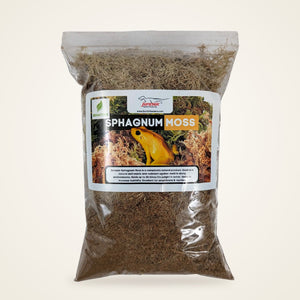

Antilles pinktoe tarantula FAQ
Is the antilles pinktoe tarantula good for beginners?
The antilles pinktoe tarantula is best for keepers with some experience (intermediate). Docile but jumpy and may shoot faeces; gentle hand-walking is possible but not recommended.
What size enclosure does a antilles pinktoe tarantula need?
At least 20 × 20 × 30 cm (about 8 × 8 × 12 inches, roughly 3 US gallons) for one adult. Best kept alone.
How much does a antilles pinktoe tarantula cost in Canada?
Typically $40–120 CAD to buy, about $140–270 CAD for a complete bioactive enclosure, and $40–90 CAD a year to keep.
What temperature and humidity does a antilles pinktoe tarantula need?
Temperature: 24–28°C. Humidity: 65–75% with strong ventilation.
What does a antilles pinktoe tarantula eat?
Insectivore – crickets, dubia roaches, mealworms. Adults: 1–2 appropriately sized insects every 7–14 days; slings: small prey 2–3 times a week.
Similar species
This care sheet is general guidance from One Bioactive, not veterinary advice. Needs vary with age, locality and individual animals – confirm with your breeder and an exotics vet. Prices are typical Canadian ranges in CAD and change over time.