

Arachnid · Burrowing tarantula
Blue fang tarantula care guide
Ephebopus cyanognathus
The blue fang tarantula is a advanced-level burrowing tarantula from French Guiana, Suriname. Adults reach Leg span 10–12 cm and live Females 10–12 years, males 2–3 years in captivity. Deep, moist burrower; may build a silk tube up the side, so give 15 cm of soil.
- Enclosure 30 × 30 × 30 cm
- Temp 24–28°C
- Humidity 70–80%
How much does a blue fang tarantula cost in Canada?
Blue fang tarantula quick facts
- Skill level
- Advanced
- Adult size
- Leg span 10–12 cm
- Lifespan
- Females 10–12 years, males 2–3 years
- Activity
- Nocturnal
- Native range
- French Guiana, Suriname
- Minimum enclosure
- 30 × 30 × 30 cm (12 × 12 × 12 in, ≈ 7 US gal)
- Housing
- Best kept alone.
- Temperature
- 24–28°C
- Humidity
- 70–80%
- UVB
- Not needed
- Diet
- Insectivore – crickets, dubia roaches, mealworms
- Bioactive style
- Burrowing tarantula
Blue fang tarantula enclosure & bioactive setup
Give one adult at least 30 × 30 × 30 cm (12 × 12 × 12 inches). Best kept alone. This species suits a burrowing tarantula bioactive build.
- Leaf litter2 cm
- Jurassic ABG Tarantula Mix15 cm
Deep, slightly packed soil lets burrows hold their shape. Moisten the lower layers; the top can be drier.
Temperature: 24–28°C. Humidity: 70–80%. UVB: Not needed.
What does a blue fang tarantula eat?
Insectivore – crickets, dubia roaches, mealworms. Adults: 1–2 appropriately sized insects every 7–14 days; slings: small prey 2–3 times a week.
Handling, temperament & health
Fast and nervous; its urticating hairs are on the palps and it bites readily, so do not handle.
Health watch: Watch for dehydration and molt problems; keep the lower substrate slightly moist and leave the burrow undisturbed.
Cleaning & maintenance schedule
Daily
- Visual check only.
Weekly
- Offer food at the burrow entrance; remove leftovers.
- Refill water; moisten one corner so the deep soil stays damp.
Monthly
- Check moisture deep down by pouring a little water at the edge.
Yearly
- Rehouse as the spider grows.
Recommended for a blue fang tarantula bioactive
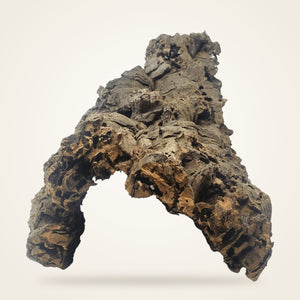
Quantities are for one minimum-size enclosure (30 × 30 × 30 cm).


Blue fang tarantula FAQ
Is the blue fang tarantula good for beginners?
The blue fang tarantula is an advanced species – best for experienced keepers. Fast and nervous; its urticating hairs are on the palps and it bites readily, so do not handle.
What size enclosure does a blue fang tarantula need?
At least 30 × 30 × 30 cm (about 12 × 12 × 12 inches, roughly 7 US gallons) for one adult. Best kept alone.
How much does a blue fang tarantula cost in Canada?
Typically $60–175 CAD to buy, about $120–220 CAD for a complete bioactive enclosure, and $40–90 CAD a year to keep.
What temperature and humidity does a blue fang tarantula need?
Temperature: 24–28°C. Humidity: 70–80%.
What does a blue fang tarantula eat?
Insectivore – crickets, dubia roaches, mealworms. Adults: 1–2 appropriately sized insects every 7–14 days; slings: small prey 2–3 times a week.
Similar species
This care sheet is general guidance from One Bioactive, not veterinary advice. Needs vary with age, locality and individual animals – confirm with your breeder and an exotics vet. Prices are typical Canadian ranges in CAD and change over time.