

Arachnid · Terrestrial tarantula
Brazilian black tarantula care guide
Grammostola pulchra
The brazilian black tarantula is a beginner-level terrestrial tarantula from S Brazil, Uruguay. Adults reach Leg span 15–18 cm and live Females 20–30 years, males 5–8 years in captivity. Solitary. Very calm.
- Enclosure 30 × 30 × 30 cm
- Temp 21–26°C
- Humidity 50–65%
How much does a brazilian black tarantula cost in Canada?
Brazilian black tarantula quick facts
- Skill level
- Beginner
- Adult size
- Leg span 15–18 cm
- Lifespan
- Females 20–30 years, males 5–8 years
- Activity
- Nocturnal
- Native range
- S Brazil, Uruguay
- Minimum enclosure
- 30 × 30 × 30 cm (12 × 12 × 12 in, ≈ 7 US gal)
- Housing
- Best kept alone.
- Temperature
- 21–26°C
- Humidity
- 50–65%
- UVB
- Not needed
- Diet
- Insectivore – crickets, dubia roaches, mealworms
- Bioactive style
- Terrestrial tarantula
Brazilian black tarantula enclosure & bioactive setup
Give one adult at least 30 × 30 × 30 cm (12 × 12 × 12 inches). Best kept alone. This species suits a terrestrial tarantula bioactive build.
- Leaf litter2 cm
- Jurassic ABG Tarantula Mix10 cm
Keep the gap between the soil surface and the lid no more than about twice the spider’s leg span, to prevent falls.
Temperature: 21–26°C. Humidity: 50–65%. UVB: Not needed.
What does a brazilian black tarantula eat?
Insectivore – crickets, dubia roaches, mealworms. Adults: 1–2 appropriately sized insects every 7–14 days; slings: small prey 2–3 times a week.
Handling, temperament & health
Docile but best treated as a display animal; can flick urticating hairs that irritate skin and eyes.
Health watch: Watch for dehydration and stuck molts; always provide a water dish and never feed a molting spider.
Cleaning & maintenance schedule
Daily
- Quick visual check – no need to disturb.
Weekly
- Offer food; remove leftovers (boluses) within 24 h.
- Refill the water dish; overflow it slightly now and then to dampen one corner.
Monthly
- Check crew and moisture; a dry top with a slightly moist lower layer is ideal.
Yearly
- Rehouse into a larger enclosure as the spider grows.
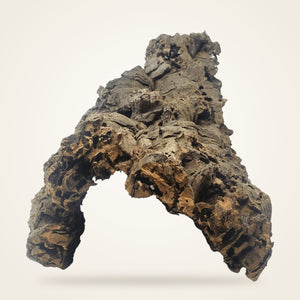
Recommended for a brazilian black tarantula bioactive
Quantities are for one minimum-size enclosure (30 × 30 × 30 cm).


Brazilian black tarantula FAQ
Is the brazilian black tarantula good for beginners?
Yes – the brazilian black tarantula is a good choice for beginners. Docile but best treated as a display animal; can flick urticating hairs that irritate skin and eyes.
What size enclosure does a brazilian black tarantula need?
At least 30 × 30 × 30 cm (about 12 × 12 × 12 inches, roughly 7 US gallons) for one adult. Best kept alone.
How much does a brazilian black tarantula cost in Canada?
Typically $60–250 CAD to buy, about $100–170 CAD for a complete bioactive enclosure, and $40–90 CAD a year to keep.
What temperature and humidity does a brazilian black tarantula need?
Temperature: 21–26°C. Humidity: 50–65%.
What does a brazilian black tarantula eat?
Insectivore – crickets, dubia roaches, mealworms. Adults: 1–2 appropriately sized insects every 7–14 days; slings: small prey 2–3 times a week.
Similar species
This care sheet is general guidance from One Bioactive, not veterinary advice. Needs vary with age, locality and individual animals – confirm with your breeder and an exotics vet. Prices are typical Canadian ranges in CAD and change over time.