

Reptile · Python
Calabar burrowing python care guide
Calabaria reinhardtii
The calabar burrowing python is a intermediate-level python from W and Central Africa. Adults reach 90–110 cm and live 10–20 years in captivity. A burrower that needs deep, moist substrate. Solitary.
- Enclosure 90 × 45 × 75 cm
- Temp Warm 28–30°C, cool 24°C
- Humidity 60–80%
How much does a calabar burrowing python cost in Canada?
Calabar burrowing python quick facts
- Skill level
- Intermediate
- Adult size
- 90–110 cm
- Lifespan
- 10–20 years
- Activity
- Nocturnal
- Native range
- W and Central Africa
- Minimum enclosure
- 90 × 45 × 75 cm (35 × 18 × 30 in, ≈ 80 US gal)
- Housing
- Best kept alone.
- Temperature
- Warm 28–30°C, cool 24°C
- Humidity
- 60–80%
- UVB
- Not needed
- Diet
- Carnivore – frozen/thawed pinky and fuzzy mice
- Bioactive style
- Humid terrestrial
Calabar burrowing python enclosure & bioactive setup
Give one adult at least 90 × 45 × 75 cm (35 × 18 × 30 inches). Best kept alone. This species suits a humid terrestrial bioactive build.
- Leaf litter2 cm
- Jurassic ABG Terrarium Mix12 cm
- Base layer – packed coco fibre8 cm
- Drainage – clay bio balls3 cm
Deep, moist soil is what holds humidity in this build – much better than thin bedding, especially through Canadian winters. This species digs, so give it 20 cm (8 in) of substrate in total. Only the top 12 cm needs to be bioactive soil; the 8 cm underneath can be cheaper coco fibre, dampened and packed firm.
Temperature: Warm 28–30°C, cool 24°C. Humidity: 60–80%. UVB: Not needed.
What does a calabar burrowing python eat?
Carnivore – frozen/thawed pinky and fuzzy mice. Feed one or two small thawed mice every 7–10 days.
Handling, temperament & health
Docile; balls up and raises its blunt tail as a decoy.
Health watch: Watch for dehydration and stress in imports.
Cleaning & maintenance schedule
Daily
- Check warm and cool side temperatures and humidity.
- Refresh the water bowl.
Weekly
- Mist or pour water into the substrate to keep the lower layers moist.
- Spot-clean large waste promptly.
Monthly
- Top up leaf litter.
- Stir and fluff compacted topsoil around hides.
- Check heat sources and thermostat calibration.
Yearly
- Partially refresh soil in high-traffic areas.
- Replace UVB bulbs (if used).
Recommended for a calabar burrowing python bioactive
Quantities are for one minimum-size enclosure (90 × 45 × 75 cm).
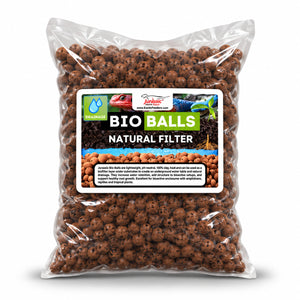 Clay Bio Balls
Drainage layer, 3 cm
 Jurassic ABG Terrarium Mix
Bioactive top layer, 12 cm
 Premium Coconut Fiber 5kg
Base layer, 8 cm – dampen and pack firm so burrows hold
 Cypress Substrate
Optional top layer (cypress)
 Red Oak Leaves 15/Pack
Leaf litter – food and cover for the clean-up crew
 Fresh Sphagnum Moss Container
Moss for humidity pockets and planting
 Cork Bark Tubes
Secure hides at both ends of the gradient
 Black Aqua Wood
Sturdy enrichment for heavy-bodied animals
Calabar burrowing python FAQ
Is the calabar burrowing python good for beginners?
The calabar burrowing python is best for keepers with some experience (intermediate). Docile; balls up and raises its blunt tail as a decoy.
What size enclosure does a calabar burrowing python need?
At least 90 × 45 × 75 cm (about 35 × 18 × 30 inches, roughly 80 US gallons) for one adult. Best kept alone.
How much does a calabar burrowing python cost in Canada?
Typically $150–400 CAD to buy, about $740–1300 CAD for a complete bioactive enclosure, and $150–300 CAD a year to keep.
What temperature and humidity does a calabar burrowing python need?
Temperature: Warm 28–30°C, cool 24°C. Humidity: 60–80%.
What does a calabar burrowing python eat?
Carnivore – frozen/thawed pinky and fuzzy mice. Feed one or two small thawed mice every 7–10 days.
Similar species
This care sheet is general guidance from One Bioactive, not veterinary advice. Needs vary with age, locality and individual animals – confirm with your breeder and an exotics vet. Prices are typical Canadian ranges in CAD and change over time.