

Reptile · Venomous snake
Desert horned viper care guide
Cerastes cerastes
The desert horned viper is a expert-level venomous snake from Sahara, Sinai, Arabia. Adults reach 50–70 cm and live 15–20 years in captivity. Bury-and-ambush behavior means the sand surface hides it; always locate it before servicing.
- Enclosure 90 × 45 × 45 cm
- Temp Warm 32–35°C, cool 24°C
- Humidity 15–30%
How much does a desert horned viper cost in Canada?
Desert horned viper quick facts
- Skill level
- Expert
- Adult size
- 50–70 cm
- Lifespan
- 15–20 years
- Activity
- Nocturnal
- Native range
- Sahara, Sinai, Arabia
- Minimum enclosure
- 90 × 45 × 45 cm (35 × 18 × 18 in, ≈ 48 US gal)
- Housing
- Best kept alone.
- Temperature
- Warm 32–35°C, cool 24°C
- Humidity
- 15–30%
- UVB
- Recommended
- Diet
- Carnivore – frozen/thawed mice
- Bioactive style
- Arid desert
Desert horned viper enclosure & bioactive setup
Give one adult at least 90 × 45 × 45 cm (35 × 18 × 18 inches). Best kept alone. This species suits a arid desert bioactive build.
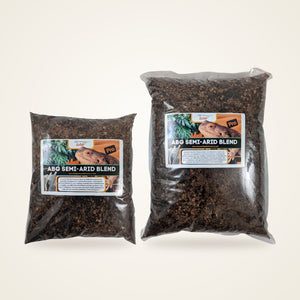
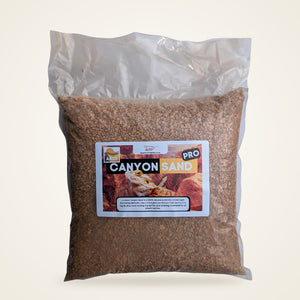
- Soil and sand mix12 cm
A deep, sandy mix packed firmly lets burrows hold their shape; keep only the deepest layer faintly moist.
Temperature: Warm 32–35°C, cool 24°C. Humidity: 15–30%. UVB: Recommended.
Some Canadian provinces and many municipalities restrict or ban this species. Check your local bylaws and any provincial permit rules before buying.
What does a desert horned viper eat?
Carnivore – frozen/thawed mice. Feed one small thawed mouse every 10–14 days.
Handling, temperament & health
Buries in sand and strikes from cover; tools only.
Health watch: Watch for respiratory infections from damp sand.
Cleaning & maintenance schedule
Daily
- Check basking temperatures; refresh water (or mist lightly for species that drink droplets).
Weekly
- Spot-clean waste.
Monthly
- Lightly moisten one deep corner so burrows hold and isopods survive.
- Check rock stacks are stable.
Yearly
- Refresh the top layer; replace UVB bulbs on schedule.
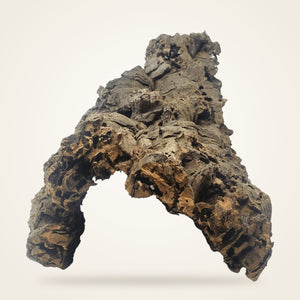
Recommended for a desert horned viper bioactive
Quantities are for one minimum-size enclosure (90 × 45 × 45 cm).


Desert horned viper FAQ
Is the desert horned viper good for beginners?
No – the desert horned viper is a specialist animal for expert keepers only. Buries in sand and strikes from cover; tools only.
What size enclosure does a desert horned viper need?
At least 90 × 45 × 45 cm (about 35 × 18 × 18 inches, roughly 48 US gallons) for one adult. Best kept alone.
How much does a desert horned viper cost in Canada?
Typically $300–700 CAD to buy, about $530–960 CAD for a complete bioactive enclosure, and $200–400 CAD a year to keep.
What temperature and humidity does a desert horned viper need?
Temperature: Warm 32–35°C, cool 24°C. Humidity: 15–30%.
What does a desert horned viper eat?
Carnivore – frozen/thawed mice. Feed one small thawed mouse every 10–14 days.
Similar species
This care sheet is general guidance from One Bioactive, not veterinary advice. Needs vary with age, locality and individual animals – confirm with your breeder and an exotics vet. Prices are typical Canadian ranges in CAD and change over time.