

Reptile · Venomous snake
Eastern diamondback rattlesnake care guide
Crotalus adamanteus
The eastern diamondback rattlesnake is a expert-level venomous snake from SE United States. Adults reach 120–200 cm and live 15–25 years in captivity. The largest rattlesnake; long fangs and high venom yield demand expert protocols.
- Enclosure 180 × 60 × 60 cm
- Temp Warm 29–31°C, cool 22–24°C
- Humidity 50–70%
How much does a eastern diamondback rattlesnake cost in Canada?
Eastern diamondback rattlesnake quick facts
- Skill level
- Expert
- Adult size
- 120–200 cm
- Lifespan
- 15–25 years
- Activity
- Crepuscular
- Native range
- SE United States
- Minimum enclosure
- 180 × 60 × 60 cm (71 × 24 × 24 in, ≈ 171 US gal)
- Housing
- Best kept alone.
- Temperature
- Warm 29–31°C, cool 22–24°C
- Humidity
- 50–70%
- UVB
- Recommended
- Diet
- Carnivore – frozen/thawed rats
- Bioactive style
- Humid terrestrial
Eastern diamondback rattlesnake enclosure & bioactive setup
Give one adult at least 180 × 60 × 60 cm (71 × 24 × 24 inches). Best kept alone. This species suits a humid terrestrial bioactive build.
- Leaf litter2 cm
- Jurassic ABG Terrarium Mix10 cm
- Drainage – clay bio balls3 cm
Deep, moist soil is what holds humidity in this build – much better than thin bedding, especially through Canadian winters.
Temperature: Warm 29–31°C, cool 22–24°C. Humidity: 50–70%. UVB: Recommended.
Some Canadian provinces and many municipalities restrict or ban this species. Check your local bylaws and any provincial permit rules before buying.
What does a eastern diamondback rattlesnake eat?
Carnivore – frozen/thawed rats. Feed one appropriately sized thawed rat every 14 days.
Handling, temperament & health
Never free-handle; use hooks, tubes and a lockable enclosure.
Health watch: Watch for respiratory infections and feeding refusal.
Cleaning & maintenance schedule
Daily
- Check warm and cool side temperatures and humidity.
- Refresh the water bowl.
Weekly
- Mist or pour water into the substrate to keep the lower layers moist.
- Spot-clean large waste promptly.
Monthly
- Top up leaf litter.
- Stir and fluff compacted topsoil around hides.
- Check heat sources and thermostat calibration.
Yearly
- Partially refresh soil in high-traffic areas.
- Replace UVB bulbs (if used).
Recommended for a eastern diamondback rattlesnake bioactive
Quantities are for one minimum-size enclosure (180 × 60 × 60 cm).
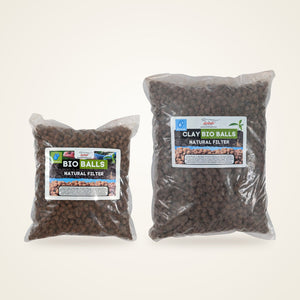 Clay Bio Balls
Drainage layer, 3 cm
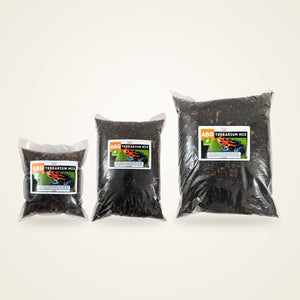 Jurassic ABG Terrarium Mix
Bioactive soil layer, 10 cm
 Cypress Substrate
Optional top layer (cypress)
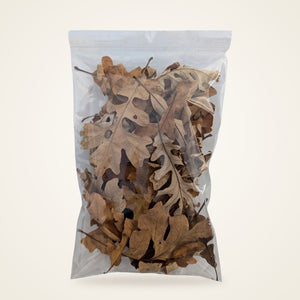 Red Oak Leaves 15/Pack
Leaf litter – food and cover for the clean-up crew
 Fresh Sphagnum Moss Container
Moss for humidity pockets and planting
 Cork Bark Tubes
Secure hides at both ends of the gradient
 Malaysian Drift Wood
Sturdy enrichment for heavy-bodied animals
Eastern diamondback rattlesnake FAQ
Is the eastern diamondback rattlesnake good for beginners?
No – the eastern diamondback rattlesnake is a specialist animal for expert keepers only. Never free-handle; use hooks, tubes and a lockable enclosure.
What size enclosure does a eastern diamondback rattlesnake need?
At least 180 × 60 × 60 cm (about 71 × 24 × 24 inches, roughly 171 US gallons) for one adult. Best kept alone.
How much does a eastern diamondback rattlesnake cost in Canada?
Typically $400–1000 CAD to buy, about $1260–2200 CAD for a complete bioactive enclosure, and $400–700 CAD a year to keep.
What temperature and humidity does a eastern diamondback rattlesnake need?
Temperature: Warm 29–31°C, cool 22–24°C. Humidity: 50–70%.
What does a eastern diamondback rattlesnake eat?
Carnivore – frozen/thawed rats. Feed one appropriately sized thawed rat every 14 days.
Similar species
This care sheet is general guidance from One Bioactive, not veterinary advice. Needs vary with age, locality and individual animals – confirm with your breeder and an exotics vet. Prices are typical Canadian ranges in CAD and change over time.