

Arachnid · Terrestrial tarantula
Entre Rios tarantula care guide
Grammostola iheringi
The entre rios tarantula is a intermediate-level terrestrial tarantula from Argentina (Entre Ríos), Uruguay, S Brazil. Adults reach Leg span 18–20 cm and live Females 20–30 years, males 5–8 years in captivity. Faster growing and more active than other Grammostola; give a large floor area.
- Enclosure 45 × 30 × 30 cm
- Temp 21–26°C
- Humidity 50–65%
How much does a entre rios tarantula cost in Canada?
Entre Rios tarantula quick facts
- Skill level
- Intermediate
- Adult size
- Leg span 18–20 cm
- Lifespan
- Females 20–30 years, males 5–8 years
- Activity
- Nocturnal
- Native range
- Argentina (Entre Ríos), Uruguay, S Brazil
- Minimum enclosure
- 45 × 30 × 30 cm (18 × 12 × 12 in, ≈ 11 US gal)
- Housing
- Best kept alone.
- Temperature
- 21–26°C
- Humidity
- 50–65%
- UVB
- Not needed
- Diet
- Insectivore – crickets, dubia roaches, mealworms
- Bioactive style
- Terrestrial tarantula
Entre Rios tarantula enclosure & bioactive setup
Give one adult at least 45 × 30 × 30 cm (18 × 12 × 12 inches). Best kept alone. This species suits a terrestrial tarantula bioactive build.
- Leaf litter2 cm
- Jurassic ABG Tarantula Mix10 cm
Keep the gap between the soil surface and the lid no more than about twice the spider’s leg span, to prevent falls.
Temperature: 21–26°C. Humidity: 50–65%. UVB: Not needed.
What does a entre rios tarantula eat?
Insectivore – crickets, dubia roaches, mealworms. Adults: 1–2 appropriately sized insects every 7–14 days; slings: small prey 2–3 times a week.
Handling, temperament & health
Skittish and quick to flick urticating hairs; minimal handling recommended.
Health watch: Watch for dehydration and stuck molts; always provide a water dish and never feed a molting spider.
Cleaning & maintenance schedule
Daily
- Quick visual check – no need to disturb.
Weekly
- Offer food; remove leftovers (boluses) within 24 h.
- Refill the water dish; overflow it slightly now and then to dampen one corner.
Monthly
- Check crew and moisture; a dry top with a slightly moist lower layer is ideal.
Yearly
- Rehouse into a larger enclosure as the spider grows.
Recommended for a entre rios tarantula bioactive
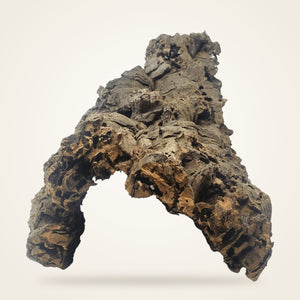
Quantities are for one minimum-size enclosure (45 × 30 × 30 cm).


Entre Rios tarantula FAQ
Is the entre Rios tarantula good for beginners?
The entre Rios tarantula is best for keepers with some experience (intermediate). Skittish and quick to flick urticating hairs; minimal handling recommended.
What size enclosure does a entre Rios tarantula need?
At least 45 × 30 × 30 cm (about 18 × 12 × 12 inches, roughly 11 US gallons) for one adult. Best kept alone.
How much does a entre Rios tarantula cost in Canada?
Typically $60–200 CAD to buy, about $110–180 CAD for a complete bioactive enclosure, and $40–90 CAD a year to keep.
What temperature and humidity does a entre Rios tarantula need?
Temperature: 21–26°C. Humidity: 50–65%.
What does a entre Rios tarantula eat?
Insectivore – crickets, dubia roaches, mealworms. Adults: 1–2 appropriately sized insects every 7–14 days; slings: small prey 2–3 times a week.
Similar species
This care sheet is general guidance from One Bioactive, not veterinary advice. Needs vary with age, locality and individual animals – confirm with your breeder and an exotics vet. Prices are typical Canadian ranges in CAD and change over time.