

Amphibian · Tree frog
Japanese tree frog care guide
Dryophytes japonicus
The japanese tree frog is a beginner-level tree frog from Japan, Korea, eastern China, Russian Far East. Adults reach 2.5–4.5 cm and live 4–6 years in captivity. A small temperate tree frog; small groups in a planted vivarium.
- Enclosure 45 × 30 × 45 cm
- Temp 18–26°C
- Humidity 60–80%
How much does a japanese tree frog cost in Canada?
Japanese tree frog quick facts
- Skill level
- Beginner
- Adult size
- 2.5–4.5 cm
- Lifespan
- 4–6 years
- Activity
- Nocturnal
- Native range
- Japan, Korea, eastern China, Russian Far East
- Minimum enclosure
- 45 × 30 × 45 cm (18 × 12 × 18 in, ≈ 16 US gal)
- Housing
- Up to 4 can share; add about 30% more floor space for each extra animal.
- Temperature
- 18–26°C
- Humidity
- 60–80%
- UVB
- Recommended
- Diet
- Insectivore – small crickets, flies, small roaches
- Bioactive style
- Tropical arboreal
Japanese tree frog enclosure & bioactive setup
Give one adult at least 45 × 30 × 45 cm (18 × 12 × 18 inches). Up to 4 can share; add about 30% more floor space for each extra animal. This species suits a tropical arboreal bioactive build.
- Leaf litter2 cm
- Jurassic ABG Terrarium Mix8 cm
- Drainage – clay bio balls4 cm
Most of the action is vertical – keep the soil moist but not wet, and focus on perches and dense planting.
Temperature: 18–26°C. Humidity: 60–80%. UVB: Recommended.
What does a japanese tree frog eat?
Insectivore – small crickets, flies, small roaches. Feed dusted small insects every 2 days.
Handling, temperament & health
Skittish; minimal handling.
Health watch: Dehydration and skin infections.
Cleaning & maintenance schedule
Daily
- Mist to raise humidity – usually a heavy evening misting with a dry-down by day.
- Check temperatures at perch height.
Weekly
- Feed; remove uneaten food (and diet dishes after 24–48 h).
- Check the drainage layer and prune vines.
- Look for stuck shed on toes and tails.
Monthly
- Top up leaf litter.
- Check branches and mounts are still secure.
- Clean glass, vents and misting nozzles.
Yearly
- Refresh the top of the soil in open areas.
- Replace UVB bulbs (if used) on schedule.
Recommended for a japanese tree frog bioactive
Quantities are for one minimum-size enclosure (45 × 30 × 45 cm).
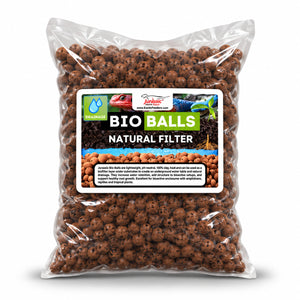 Clay Bio Balls
Drainage layer, 4 cm
 Jurassic ABG Terrarium Mix
Bioactive soil layer, 8 cm
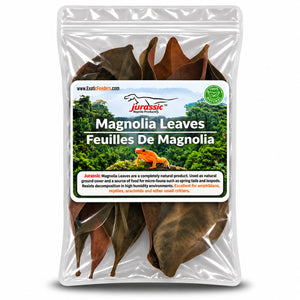 Magnolia Leaves 10/Pack
Leaf litter – food and cover for the clean-up crew
 Fresh Sphagnum Moss Container
Moss for humidity pockets and planting
 Cork Bark Backgrounds
Turns the back wall into climbing space
 Cork Bark Tubes
A “tree trunk” to climb and hide in
Liquid error (sections/species-page line 156): invalid url input
Arboreal species prefer diagonal and horizontal perches
 Cork Branches
More climbing routes
Japanese tree frog FAQ
Is the japanese tree frog good for beginners?
Yes – the japanese tree frog is a good choice for beginners. Skittish; minimal handling.
What size enclosure does a japanese tree frog need?
At least 45 × 30 × 45 cm (about 18 × 12 × 18 inches, roughly 16 US gallons) for one adult. Up to 4 can share; add about 30% more floor space for each extra animal.
How much does a japanese tree frog cost in Canada?
Typically $30–60 CAD to buy, about $360–620 CAD for a complete bioactive enclosure, and $100–200 CAD a year to keep.
What temperature and humidity does a japanese tree frog need?
Temperature: 18–26°C. Humidity: 60–80%.
What does a japanese tree frog eat?
Insectivore – small crickets, flies, small roaches. Feed dusted small insects every 2 days.
Similar species
This care sheet is general guidance from One Bioactive, not veterinary advice. Needs vary with age, locality and individual animals – confirm with your breeder and an exotics vet. Prices are typical Canadian ranges in CAD and change over time.