

Reptile · Boa
Kenyan sand boa care guide
Eryx colubrinus
The kenyan sand boa is a beginner-level boa from East Africa, Egypt, Arabia. Adults reach 40–80 cm and live 15–20 years in captivity. Spends most of its time buried; use a belly-heat gradient under deep sand-soil. Solitary.
- Enclosure 60 × 45 × 30 cm
- Temp Warm 30–32°C, cool 24°C
- Humidity 20–40%
How much does a kenyan sand boa cost in Canada?
Kenyan sand boa quick facts
- Skill level
- Beginner
- Adult size
- 40–80 cm
- Lifespan
- 15–20 years
- Activity
- Crepuscular
- Native range
- East Africa, Egypt, Arabia
- Minimum enclosure
- 60 × 45 × 30 cm (24 × 18 × 12 in, ≈ 21 US gal)
- Housing
- Best kept alone.
- Temperature
- Warm 30–32°C, cool 24°C
- Humidity
- 20–40%
- UVB
- Recommended
- Diet
- Carnivore – frozen/thawed mice
- Bioactive style
- Arid desert
Kenyan sand boa enclosure & bioactive setup
Give one adult at least 60 × 45 × 30 cm (24 × 18 × 12 inches). Best kept alone. This species suits a arid desert bioactive build.
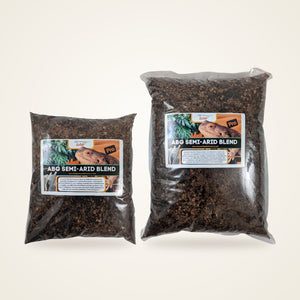
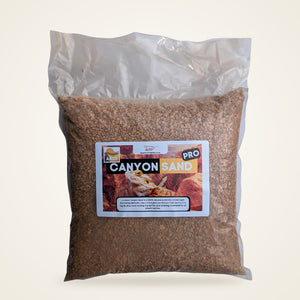
- Soil and sand mix15 cm
A deep, sandy mix packed firmly lets burrows hold their shape; keep only the deepest layer faintly moist.
Temperature: Warm 30–32°C, cool 24°C. Humidity: 20–40%. UVB: Recommended.
What does a kenyan sand boa eat?
Carnivore – frozen/thawed mice. Feed one appropriately sized thawed mouse every 10–14 days; juveniles every 7 days.
Handling, temperament & health
Calm and slow but may strike at movement above the sand.
Health watch: Watch for respiratory infections and impaction from unsuitable substrate.
Cleaning & maintenance schedule
Daily
- Check basking temperatures; refresh water (or mist lightly for species that drink droplets).
Weekly
- Spot-clean waste.
Monthly
- Lightly moisten one deep corner so burrows hold and isopods survive.
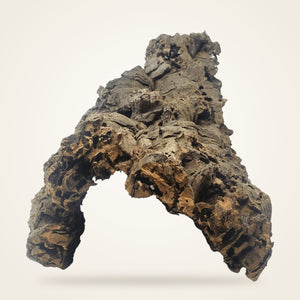
- Check rock stacks are stable.
Yearly
- Refresh the top layer; replace UVB bulbs on schedule.
Recommended for a kenyan sand boa bioactive
Quantities are for one minimum-size enclosure (60 × 45 × 30 cm).


Kenyan sand boa FAQ
Is the kenyan sand boa good for beginners?
Yes – the kenyan sand boa is a good choice for beginners. Calm and slow but may strike at movement above the sand.
What size enclosure does a kenyan sand boa need?
At least 60 × 45 × 30 cm (about 24 × 18 × 12 inches, roughly 21 US gallons) for one adult. Best kept alone.
How much does a kenyan sand boa cost in Canada?
Typically $80–250 CAD to buy, about $410–750 CAD for a complete bioactive enclosure, and $120–250 CAD a year to keep.
What temperature and humidity does a kenyan sand boa need?
Temperature: Warm 30–32°C, cool 24°C. Humidity: 20–40%.
What does a kenyan sand boa eat?
Carnivore – frozen/thawed mice. Feed one appropriately sized thawed mouse every 10–14 days; juveniles every 7 days.
Similar species
This care sheet is general guidance from One Bioactive, not veterinary advice. Needs vary with age, locality and individual animals – confirm with your breeder and an exotics vet. Prices are typical Canadian ranges in CAD and change over time.