

Invertebrate · Isopod
Painted isopod care guide
Porcellio spinicornis
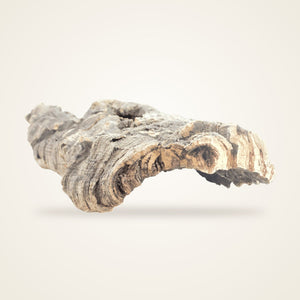
The painted isopod is a beginner-level isopod from Europe (introduced in Canada and NE USA). Adults reach Body 1.2–1.5 cm and live 2–3 years in captivity. Cool-tolerant species that loves limestone pieces and bark.
- Enclosure 30 × 20 × 20 cm
- Temp 16–24°C
- Humidity 60–75% with a dry end
How much does a painted isopod cost in Canada?
Painted isopod quick facts
- Skill level
- Beginner
- Adult size
- Body 1.2–1.5 cm
- Lifespan
- 2–3 years
- Activity
- Nocturnal
- Native range
- Europe (introduced in Canada and NE USA)
- Minimum enclosure
- 30 × 20 × 20 cm (12 × 8 × 8 in, ≈ 3 US gal)
- Housing
- A colony species – best kept in a group.
- Temperature
- 16–24°C
- Humidity
- 60–75% with a dry end
- UVB
- Not needed
- Diet
- Detritivore – leaf litter, rotting wood, vegetables, calcium
- Bioactive style
- Invertebrate colony
Painted isopod enclosure & bioactive setup
Give one adult at least 30 × 20 × 20 cm (12 × 8 × 8 inches). A colony species – best kept in a group. This species suits a invertebrate colony bioactive build.
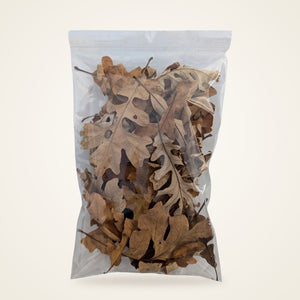
- Leaf litter2 cm
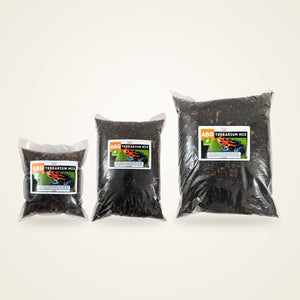
- Jurassic ABG Terrarium Mix8 cm
Leaf litter is food here, not decoration – keep a thick layer topped up. Keep one side damper than the other.
Temperature: 16–24°C. Humidity: 60–75% with a dry end. UVB: Not needed.
What does a painted isopod eat?
Detritivore – leaf litter, rotting wood, vegetables, calcium. Keep leaf litter and a calcium source available and add vegetables weekly.
Handling, temperament & health
Calm and handleable.
Health watch: Needs calcium for moulting; keep cuttlebone or limestone in the setup.
Cleaning & maintenance schedule
Daily
- Nothing needed most days.
Weekly
- Mist the damp side; add vegetables or protein food in small amounts and remove leftovers after 24–48 h.
Monthly
- Top up leaf litter and add a calcium source (cuttlebone).
- Thin out the colony or split it if it gets crowded.
Yearly
- Replace about a third of the soil, which turns into frass over time.
Recommended for a painted isopod bioactive
Quantities are for one minimum-size enclosure (30 × 20 × 20 cm).
Painted isopod FAQ
Is the painted isopod good for beginners?
Yes – the painted isopod is a good choice for beginners. Calm and handleable.
What size enclosure does a painted isopod need?
At least 30 × 20 × 20 cm (about 12 × 8 × 8 inches, roughly 3 US gallons) for one adult. A colony species – best kept in a group.
How much does a painted isopod cost in Canada?
Typically $20–40 CAD to buy, about $100–170 CAD for a complete bioactive enclosure, and $20–40 CAD a year to keep.
What temperature and humidity does a painted isopod need?
Temperature: 16–24°C. Humidity: 60–75% with a dry end.
What does a painted isopod eat?
Detritivore – leaf litter, rotting wood, vegetables, calcium. Keep leaf litter and a calcium source available and add vegetables weekly.
Similar species
This care sheet is general guidance from One Bioactive, not veterinary advice. Needs vary with age, locality and individual animals – confirm with your breeder and an exotics vet. Prices are typical Canadian ranges in CAD and change over time.