

Reptile · Tortoise
Red-footed tortoise care guide
Chelonoidis carbonarius
The red-footed tortoise is a intermediate-level tortoise from Northern South America, Panama, Caribbean islands. Adults reach 30–35 cm shell and live 50+ years in captivity. Needs a large, humid tortoise table. Use edible plants only.
- Enclosure 180 × 90 × 60 cm
- Temp Basking 32°C, ambient 26–29°C
- Humidity 70–80%
How much does a red-footed tortoise cost in Canada?
Red-footed tortoise quick facts
- Skill level
- Intermediate
- Adult size
- 30–35 cm shell
- Lifespan
- 50+ years
- Activity
- Diurnal
- Native range
- Northern South America, Panama, Caribbean islands
- Minimum enclosure
- 180 × 90 × 60 cm (71 × 35 × 24 in, ≈ 257 US gal)
- Housing
- Best kept alone.
- Temperature
- Basking 32°C, ambient 26–29°C
- Humidity
- 70–80%
- UVB
- Recommended
- Diet
- Omnivore – leafy greens, fruit, flowers, mushrooms, occasional protein
- Bioactive style
- Humid terrestrial
Red-footed tortoise enclosure & bioactive setup
Give one adult at least 180 × 90 × 60 cm (71 × 35 × 24 inches). Best kept alone. This species suits a humid terrestrial bioactive build.
- Leaf litter2 cm
- Jurassic ABG Terrarium Mix15 cm
- Drainage – clay bio balls3 cm
Deep, moist soil is what holds humidity in this build – much better than thin bedding, especially through Canadian winters.
Temperature: Basking 32°C, ambient 26–29°C. Humidity: 70–80%. UVB: Recommended.
What does a red-footed tortoise eat?
Omnivore – leafy greens, fruit, flowers, mushrooms, occasional protein. Feed greens daily with some fruit, and a small protein item (worms, cooked egg) about every 1–2 weeks.
Handling, temperament & health
Curious and personable; tolerates gentle handling.
Health watch: Pyramiding and shell problems from low humidity, plus respiratory infections from chilling.
Cleaning & maintenance schedule
Daily
- Check warm and cool side temperatures and humidity.
- Refresh the water bowl.
Weekly
- Mist or pour water into the substrate to keep the lower layers moist.
- Spot-clean large waste promptly.
Monthly
- Top up leaf litter.
- Stir and fluff compacted topsoil around hides.
- Check heat sources and thermostat calibration.
Yearly
- Partially refresh soil in high-traffic areas.
- Replace UVB bulbs (if used).
Recommended for a red-footed tortoise bioactive
Quantities are for one minimum-size enclosure (180 × 90 × 60 cm).
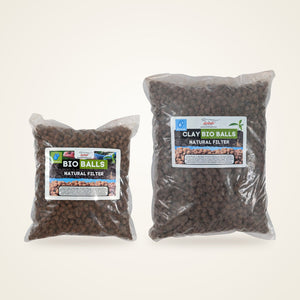 Clay Bio Balls
Drainage layer, 3 cm
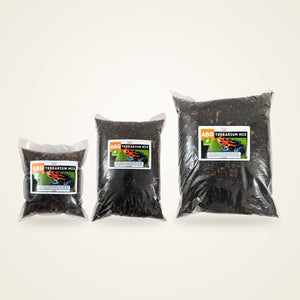 Jurassic ABG Terrarium Mix
Bioactive soil layer, 15 cm
 Cypress Substrate
Optional top layer (cypress)
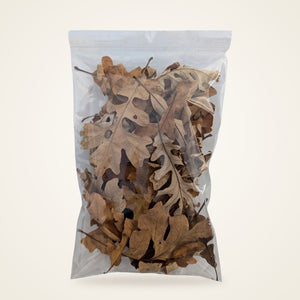 Red Oak Leaves 15/Pack
Leaf litter – food and cover for the clean-up crew
 Fresh Sphagnum Moss Container
Moss for humidity pockets and planting
 Cork Bark Tubes
Secure hides at both ends of the gradient
 Malaysian Drift Wood
Sturdy enrichment for heavy-bodied animals
Red-footed tortoise FAQ
Is the red-footed tortoise good for beginners?
The red-footed tortoise is best for keepers with some experience (intermediate). Curious and personable; tolerates gentle handling.
What size enclosure does a red-footed tortoise need?
At least 180 × 90 × 60 cm (about 71 × 35 × 24 inches, roughly 257 US gallons) for one adult. Best kept alone.
How much does a red-footed tortoise cost in Canada?
Typically $200–450 CAD to buy, about $1880–3160 CAD for a complete bioactive enclosure, and $400–700 CAD a year to keep.
What temperature and humidity does a red-footed tortoise need?
Temperature: Basking 32°C, ambient 26–29°C. Humidity: 70–80%.
What does a red-footed tortoise eat?
Omnivore – leafy greens, fruit, flowers, mushrooms, occasional protein. Feed greens daily with some fruit, and a small protein item (worms, cooked egg) about every 1–2 weeks.
Similar species
This care sheet is general guidance from One Bioactive, not veterinary advice. Needs vary with age, locality and individual animals – confirm with your breeder and an exotics vet. Prices are typical Canadian ranges in CAD and change over time.