

Amphibian · Caecilian
Rubber eel care guide
Typhlonectes natans
The rubber eel is a intermediate-level caecilian from Colombia, Venezuela. Adults reach 30–55 cm and live 10–15 years in captivity. An aquatic caecilian, not an eel: covered tank with a large water section and soft substrate.
- Enclosure 75 × 30 × 40 cm
- Temp Water 24–28°C
- Humidity Not critical (aquatic)
How much does a rubber eel cost in Canada?
Rubber eel quick facts
- Skill level
- Intermediate
- Adult size
- 30–55 cm
- Lifespan
- 10–15 years
- Activity
- Nocturnal
- Native range
- Colombia, Venezuela
- Minimum enclosure
- 75 × 30 × 40 cm (30 × 12 × 16 in, ≈ 24 US gal)
- Housing
- Up to 4 can share; add about 30% more floor space for each extra animal.
- Temperature
- Water 24–28°C
- Humidity
- Not critical (aquatic)
- UVB
- Not needed
- Diet
- Carnivore – earthworms, bloodworms, sinking pellets
- Bioactive style
- Semi-aquatic (paludarium)
Rubber eel enclosure & bioactive setup
Give one adult at least 75 × 30 × 40 cm (30 × 12 × 16 inches). Up to 4 can share; add about 30% more floor space for each extra animal. This species suits a semi-aquatic (paludarium) bioactive build.
- Leaf litter2 cm
- Jurassic ABG Terrarium Mix8 cm
- Drainage – clay bio balls4 cm
Quantities assume about half the floor is land. The water half needs a filter and regular partial water changes.
Temperature: Water 24–28°C. Humidity: Not critical (aquatic). UVB: Not needed.
What does a rubber eel eat?
Carnivore – earthworms, bloodworms, sinking pellets. Feed adults 2–3 times a week.
Handling, temperament & health
Do not handle; slippery and escapes easily.
Health watch: Skin injuries from sharp substrate and escapes through gaps.
Cleaning & maintenance schedule
Daily
- Check water and air temperature; feed according to species.
Weekly
- Change 20–30% of the water with dechlorinated water.
- Rinse filter sponge in old tank water (never tap water) as needed.
Monthly
- Top up leaf litter on land; prune plants at the waterline.
Yearly
- Service the pump/filter fully.
Recommended for a rubber eel bioactive
Quantities are for one minimum-size enclosure (75 × 30 × 40 cm).
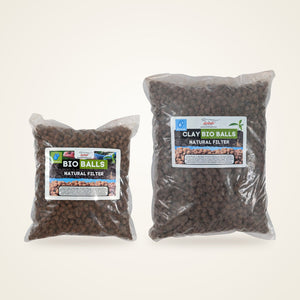 Clay Bio Balls
Drainage layer, 4 cm
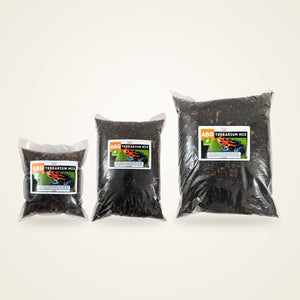 Jurassic ABG Terrarium Mix
Bioactive soil layer, 8 cm
 Almond Leaves Dried 15/Pack
Leaf litter – food and cover for the clean-up crew
 Fresh Sphagnum Moss Container
Moss for humidity pockets and planting
 Malaysian Drift Wood
Bridges water and land; easy exit from the water
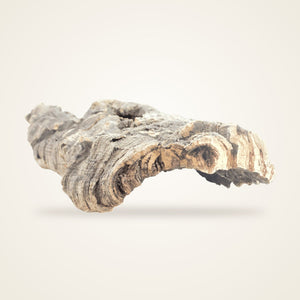 Cork Bark Flats
Shelter on the land section
Rubber eel FAQ
Is the rubber eel good for beginners?
The rubber eel is best for keepers with some experience (intermediate). Do not handle; slippery and escapes easily.
What size enclosure does a rubber eel need?
At least 75 × 30 × 40 cm (about 30 × 12 × 16 inches, roughly 24 US gallons) for one adult. Up to 4 can share; add about 30% more floor space for each extra animal.
How much does a rubber eel cost in Canada?
Typically $30–70 CAD to buy, about $370–680 CAD for a complete bioactive enclosure, and $80–150 CAD a year to keep.
What temperature and humidity does a rubber eel need?
Temperature: Water 24–28°C. Humidity: Not critical (aquatic).
What does a rubber eel eat?
Carnivore – earthworms, bloodworms, sinking pellets. Feed adults 2–3 times a week.
Similar species
This care sheet is general guidance from One Bioactive, not veterinary advice. Needs vary with age, locality and individual animals – confirm with your breeder and an exotics vet. Prices are typical Canadian ranges in CAD and change over time.