

Reptile · Lacertid
Sand lizard care guide
Lacerta agilis
The sand lizard is a intermediate-level lacertid from Europe to Central Asia. Adults reach 18–25 cm and live 8–12 years in captivity. Cool-climate lizard needing a winter brumation.
- Enclosure 90 × 45 × 45 cm
- Temp Basking 35–38°C, cool 18°C
- Humidity 40–60%
How much does a sand lizard cost in Canada?
Sand lizard quick facts
- Skill level
- Intermediate
- Adult size
- 18–25 cm
- Lifespan
- 8–12 years
- Activity
- Diurnal
- Native range
- Europe to Central Asia
- Minimum enclosure
- 90 × 45 × 45 cm (35 × 18 × 18 in, ≈ 48 US gal)
- Housing
- Up to 2 can share; add about 50% more floor space for each extra animal.
- Temperature
- Basking 35–38°C, cool 18°C
- Humidity
- 40–60%
- UVB
- Required
- Diet
- Insectivore – crickets, roaches, spiders
- Bioactive style
- Temperate forest
Sand lizard enclosure & bioactive setup
Give one adult at least 90 × 45 × 45 cm (35 × 18 × 18 inches). Up to 2 can share; add about 50% more floor space for each extra animal. This species suits a temperate forest bioactive build.
- Leaf litter2 cm
- Jurassic ABG Terrarium Mix12 cm
Keep a moisture gradient: drier on top and at the warm end, slightly moist underneath and at the cool end.
Temperature: Basking 35–38°C, cool 18°C. Humidity: 40–60%. UVB: Required.
What does a sand lizard eat?
Insectivore – crickets, roaches, spiders. Adults 3–4 times a week, juveniles daily.
Handling, temperament & health
Shy; minimal handling.
Health watch: Metabolic bone disease and heat stress.
Cleaning & maintenance schedule
Daily
- Check temperatures and refresh water.
Weekly
- Lightly moisten the cool end and lower soil.
- Spot-clean waste.
Monthly
- Top up leaf litter; check hides and branches are stable.
Yearly
- Partially refresh soil in high-traffic areas.
- Replace UVB bulbs (if used).
Recommended for a sand lizard bioactive
Quantities are for one minimum-size enclosure (90 × 45 × 45 cm).
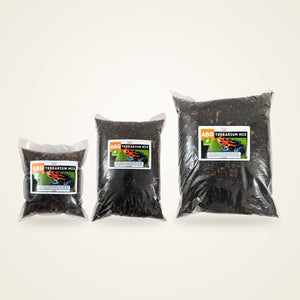 Jurassic ABG Terrarium Mix
Bioactive soil layer, 12 cm
 Coco Husk Chips - Dried Loose Pack
Optional top layer (coco husk chips)
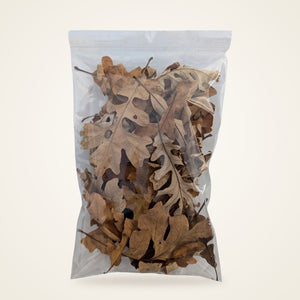 Red Oak Leaves 15/Pack
Leaf litter – food and cover for the clean-up crew
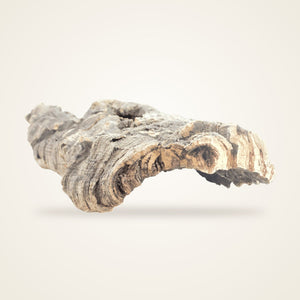 Cork Bark Flats
A hide in each temperature zone
 Cork Branches
Many colubrids climb more than people expect
Sand lizard FAQ
Is the sand lizard good for beginners?
The sand lizard is best for keepers with some experience (intermediate). Shy; minimal handling.
What size enclosure does a sand lizard need?
At least 90 × 45 × 45 cm (about 35 × 18 × 18 inches, roughly 48 US gallons) for one adult. Up to 2 can share; add about 50% more floor space for each extra animal.
How much does a sand lizard cost in Canada?
Typically $80–200 CAD to buy, about $610–1120 CAD for a complete bioactive enclosure, and $250–350 CAD a year to keep.
What temperature and humidity does a sand lizard need?
Temperature: Basking 35–38°C, cool 18°C. Humidity: 40–60%.
What does a sand lizard eat?
Insectivore – crickets, roaches, spiders. Adults 3–4 times a week, juveniles daily.
Similar species
This care sheet is general guidance from One Bioactive, not veterinary advice. Needs vary with age, locality and individual animals – confirm with your breeder and an exotics vet. Prices are typical Canadian ranges in CAD and change over time.