

Amphibian · Dart frog
Summers' poison frog care guide
Ranitomeya summersi
The summers' poison frog is a advanced-level dart frog from Northern Peru. Adults reach 1.5–2 cm and live 8–12 years in captivity. Thumbnail species. Uses bromeliads. Pairs.
- Enclosure 45 × 45 × 60 cm
- Temp 21–25°C
- Humidity 80–100%
How much does a summers' poison frog cost in Canada?
Summers' poison frog quick facts
- Skill level
- Advanced
- Adult size
- 1.5–2 cm
- Lifespan
- 8–12 years
- Activity
- Diurnal
- Native range
- Northern Peru
- Minimum enclosure
- 45 × 45 × 60 cm (18 × 18 × 24 in, ≈ 32 US gal)
- Housing
- Up to 2 can share; add about 50% more floor space for each extra animal.
- Temperature
- 21–25°C
- Humidity
- 80–100%
- UVB
- Recommended
- Diet
- Insectivore – fruit flies (melanogaster), springtails
- Bioactive style
- Tropical forest floor
Summers' poison frog enclosure & bioactive setup
Give one adult at least 45 × 45 × 60 cm (18 × 18 × 24 inches). Up to 2 can share; add about 50% more floor space for each extra animal. This species suits a tropical forest floor bioactive build.
- Leaf litter2 cm
- Jurassic ABG Terrarium Mix8 cm
- Drainage – clay bio balls4 cm
Deep leaf litter (3–5 cm) matters more here than anything else: it’s where microfauna breed and frogs forage.
Temperature: 21–25°C. Humidity: 80–100%. UVB: Recommended.
What does a summers' poison frog eat?
Insectivore – fruit flies (melanogaster), springtails. Feed dusted small fruit flies daily or every other day.
Handling, temperament & health
Tiny and shy; strictly hands-off.
Health watch: Spindly leg syndrome and vitamin A deficiency.
Cleaning & maintenance schedule
Daily
- Mist 1–3 times to keep humidity in range; glass should clear partly between mistings.
- Check temperature – most tropical species are stressed above 27–28°C.
Weekly
- Feed and remove uneaten food.
- Check the drainage layer through the glass and remove water before it reaches the soil.
- Prune plants that block the front glass.
Monthly
- Top up leaf litter as it breaks down.
- Check springtail and isopod numbers; reseed from a culture if they look sparse.
- Clean misting nozzles and wipe light covers.
Yearly
- Refresh the top few centimetres of soil in open areas.
- Replace UVB bulbs (if used) on the manufacturer’s schedule.
Recommended for a summers' poison frog bioactive
Quantities are for one minimum-size enclosure (45 × 45 × 60 cm).
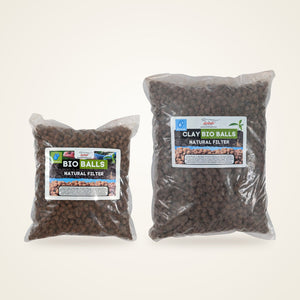 Clay Bio Balls
Drainage layer, 4 cm
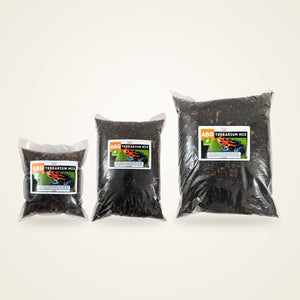 Jurassic ABG Terrarium Mix
Bioactive soil layer, 8 cm
 Magnolia Leaves 10/Pack
Leaf litter – food and cover for the clean-up crew
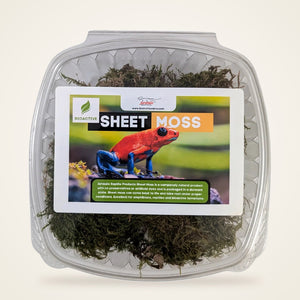 Fresh Sheet Moss Container
Moss for humidity pockets and planting
 Cork Bark Backgrounds
Climbing surface and planting wall
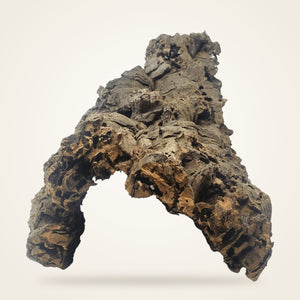 Cork Bark Half Rounds
Shaded, humid retreat at floor level
 Red Mekong Spiderwood
Perches and depth
Summers' poison frog FAQ
Is the summers' poison frog good for beginners?
The summers' poison frog is an advanced species – best for experienced keepers. Tiny and shy; strictly hands-off.
What size enclosure does a summers' poison frog need?
At least 45 × 45 × 60 cm (about 18 × 18 × 24 inches, roughly 32 US gallons) for one adult. Up to 2 can share; add about 50% more floor space for each extra animal.
How much does a summers' poison frog cost in Canada?
Typically $120–220 CAD to buy, about $400–700 CAD for a complete bioactive enclosure, and $200–350 CAD a year to keep.
What temperature and humidity does a summers' poison frog need?
Temperature: 21–25°C. Humidity: 80–100%.
What does a summers' poison frog eat?
Insectivore – fruit flies (melanogaster), springtails. Feed dusted small fruit flies daily or every other day.
Similar species
This care sheet is general guidance from One Bioactive, not veterinary advice. Needs vary with age, locality and individual animals – confirm with your breeder and an exotics vet. Prices are typical Canadian ranges in CAD and change over time.