
Invertebrate · Millipede
Thai giant millipede care guide
Thyropygus sp.
The thai giant millipede is a intermediate-level millipede from Thailand, Southeast Asia. Adults reach Body 15–20 cm and live 5–7 years in captivity. Usually wild-caught, so quarantine and check for mites on arrival.
- Enclosure 45 × 30 × 30 cm
- Temp 24–28°C
- Humidity 75–85%
How much does a thai giant millipede cost in Canada?
Thai giant millipede quick facts
- Skill level
- Intermediate
- Adult size
- Body 15–20 cm
- Lifespan
- 5–7 years
- Activity
- Nocturnal
- Native range
- Thailand, Southeast Asia
- Minimum enclosure
- 45 × 30 × 30 cm (18 × 12 × 12 in, ≈ 11 US gal)
- Housing
- Up to 4 can share; add about 30% more floor space for each extra animal.
- Temperature
- 24–28°C
- Humidity
- 75–85%
- UVB
- Not needed
- Diet
- Detritivore – rotting wood, leaf litter, fruit, vegetables
- Bioactive style
- Invertebrate colony
Thai giant millipede enclosure & bioactive setup
Give one adult at least 45 × 30 × 30 cm (18 × 12 × 12 inches). Up to 4 can share; add about 30% more floor space for each extra animal. This species suits a invertebrate colony bioactive build.
- Leaf litter2 cm
- Jurassic ABG Terrarium Mix12 cm
- Base layer – packed coco fibre8 cm
Leaf litter is food here, not decoration – keep a thick layer topped up. Keep one side damper than the other. This species digs, so give it 20 cm (8 in) of substrate in total. Only the top 12 cm needs to be bioactive soil; the 8 cm underneath can be cheaper coco fibre, dampened and packed firm.
Temperature: 24–28°C. Humidity: 75–85%. UVB: Not needed.
What does a thai giant millipede eat?
Detritivore – rotting wood, leaf litter, fruit, vegetables. Keep rotting wood and leaf litter available and offer produce and calcium weekly.
Handling, temperament & health
Calm; wash hands after handling.
Health watch: Needs deep, damp soil for moulting; never dig up moulting animals.
Cleaning & maintenance schedule
Daily
- Nothing needed most days.
Weekly
- Mist the damp side; add vegetables or protein food in small amounts and remove leftovers after 24–48 h.
Monthly
- Top up leaf litter and add a calcium source (cuttlebone).
- Thin out the colony or split it if it gets crowded.
Yearly
- Replace about a third of the soil, which turns into frass over time.
Recommended for a thai giant millipede bioactive
Quantities are for one minimum-size enclosure (45 × 30 × 30 cm).
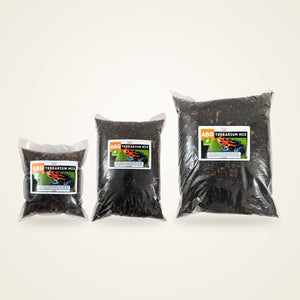 Jurassic ABG Terrarium Mix
Bioactive top layer, 12 cm
 Premium Coconut Fiber
Base layer, 8 cm – dampen and pack firm so burrows hold
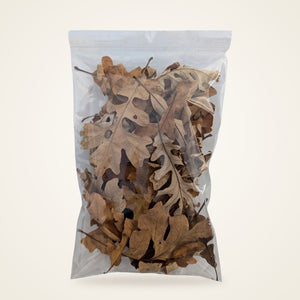 Red Oak Leaves 15/Pack
Leaf litter – food and cover for the clean-up crew
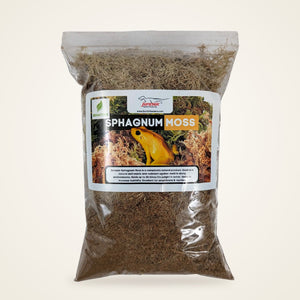 Dry Sphagnum Moss 100g Pack
Sphagnum (humid corner)
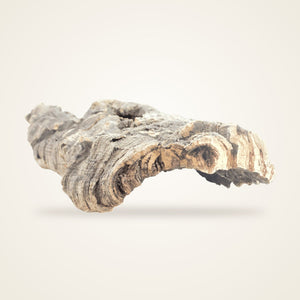 Cork Bark Flats
Hides, breeding sites and a food source
Thai giant millipede FAQ
Is the thai giant millipede good for beginners?
The thai giant millipede is best for keepers with some experience (intermediate). Calm; wash hands after handling.
What size enclosure does a thai giant millipede need?
At least 45 × 30 × 30 cm (about 18 × 12 × 12 inches, roughly 11 US gallons) for one adult. Up to 4 can share; add about 30% more floor space for each extra animal.
How much does a thai giant millipede cost in Canada?
Typically $40–90 CAD to buy, about $170–290 CAD for a complete bioactive enclosure, and $40–70 CAD a year to keep.
What temperature and humidity does a thai giant millipede need?
Temperature: 24–28°C. Humidity: 75–85%.
What does a thai giant millipede eat?
Detritivore – rotting wood, leaf litter, fruit, vegetables. Keep rotting wood and leaf litter available and offer produce and calcium weekly.
Similar species
This care sheet is general guidance from One Bioactive, not veterinary advice. Needs vary with age, locality and individual animals – confirm with your breeder and an exotics vet. Prices are typical Canadian ranges in CAD and change over time.