

Reptile · Girdled lizard
Sungazer care guide
Smaug giganteus
The sungazer is a expert-level girdled lizard from Highveld grasslands, South Africa. Adults reach 30–40 cm and live 20–30 years in captivity. Rare in captivity; requires CITES paperwork and deep soil for burrows.
- Enclosure 120 × 60 × 75 cm
- Temp Basking 38–42°C, cool 20°C
- Humidity 30–50%
How much does a sungazer cost in Canada?
Sungazer quick facts
- Skill level
- Expert
- Adult size
- 30–40 cm
- Lifespan
- 20–30 years
- Activity
- Diurnal
- Native range
- Highveld grasslands, South Africa
- Minimum enclosure
- 120 × 60 × 75 cm (47 × 24 × 30 in, ≈ 143 US gal)
- Housing
- Best kept alone.
- Temperature
- Basking 38–42°C, cool 20°C
- Humidity
- 30–50%
- UVB
- Required
- Diet
- Insectivore – roaches, crickets, superworms
- Bioactive style
- Semi-arid
Sungazer enclosure & bioactive setup
Give one adult at least 120 × 60 × 75 cm (47 × 24 × 30 inches). Best kept alone. This species suits a semi-arid bioactive build.
- Leaf litter2 cm
- Jurassic ABG Semi-Arid Blend12 cm
- Base layer – packed coco fibre18 cm
No drainage layer – water deeply but rarely so the bottom stays slightly moist while the surface stays dry. This species digs, so give it 30 cm (12 in) of substrate in total. Only the top 12 cm needs to be bioactive soil; the 18 cm underneath can be cheaper coco fibre, dampened and packed firm.
Temperature: Basking 38–42°C, cool 20°C. Humidity: 30–50%. UVB: Required.
What does a sungazer eat?
Insectivore – roaches, crickets, superworms. Adults 3 times a week, juveniles daily.
Handling, temperament & health
Calm but protected and rarely handled.
Health watch: Obesity and stress.
Cleaning & maintenance schedule
Daily
- Check basking surface temperature with an infrared thermometer.
- Keep the humid hide damp; refresh water.
Weekly
- Spot-clean waste.
- Every 1–2 weeks, pour water down into the soil around plants and in the cool corner.
Monthly
- Check stones and wood are stable and can’t be tunnelled under.
- Add a few leaves to the cool corner for isopods.
Yearly
- Refresh the top layer in the basking area.
- Replace UVB bulbs on schedule.
Recommended for a sungazer bioactive
Quantities are for one minimum-size enclosure (120 × 60 × 75 cm).
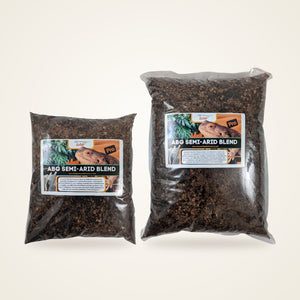 Jurassic ABG Semi-Arid Blend
Bioactive top layer, 12 cm
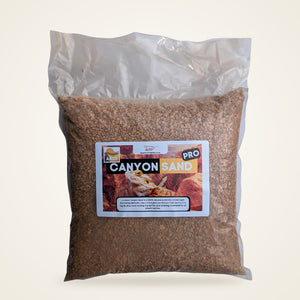 Canyon Sand
Optional: mix in for a firmer, sandier texture
 Premium Coconut Fiber
Base layer, 18 cm – dampen and pack firm so burrows hold
 Eastern Oak Leaves 10/Pack
Leaf litter – food and cover for the clean-up crew
 Terrarium Moss 7L Bag
Humid hide moss
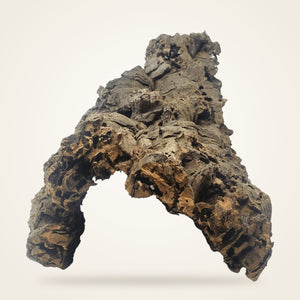 Cork Bark Half Rounds
A hide at each end – plus one humid hide filled with damp moss
 Mopani Wood
Climbing and a raised basking spot
 Carnelian Stone
Holds heat under the lamp – place directly on the enclosure floor
Sungazer FAQ
Is the sungazer good for beginners?
No – the sungazer is a specialist animal for expert keepers only. Calm but protected and rarely handled.
What size enclosure does a sungazer need?
At least 120 × 60 × 75 cm (about 47 × 24 × 30 inches, roughly 143 US gallons) for one adult. Best kept alone.
How much does a sungazer cost in Canada?
Typically $4000–10000 CAD to buy, about $1110–1950 CAD for a complete bioactive enclosure, and $300–500 CAD a year to keep.
What temperature and humidity does a sungazer need?
Temperature: Basking 38–42°C, cool 20°C. Humidity: 30–50%.
What does a sungazer eat?
Insectivore – roaches, crickets, superworms. Adults 3 times a week, juveniles daily.
Similar species
This care sheet is general guidance from One Bioactive, not veterinary advice. Needs vary with age, locality and individual animals – confirm with your breeder and an exotics vet. Prices are typical Canadian ranges in CAD and change over time.